




-
Certified Handloom

-
Pure Tussar Silk
-
Kantha Stitch
-
Shibori Dye
-
Limited Edition

Eastern Echoes Sarees Online | Tussar Kantha Shibori – Mrida
- Featured
- Most relevant
- Best selling
- Alphabetically, A-Z
- Alphabetically, Z-A
- Price, low to high
- Price, high to low
- Date, old to new
- Date, new to old
-


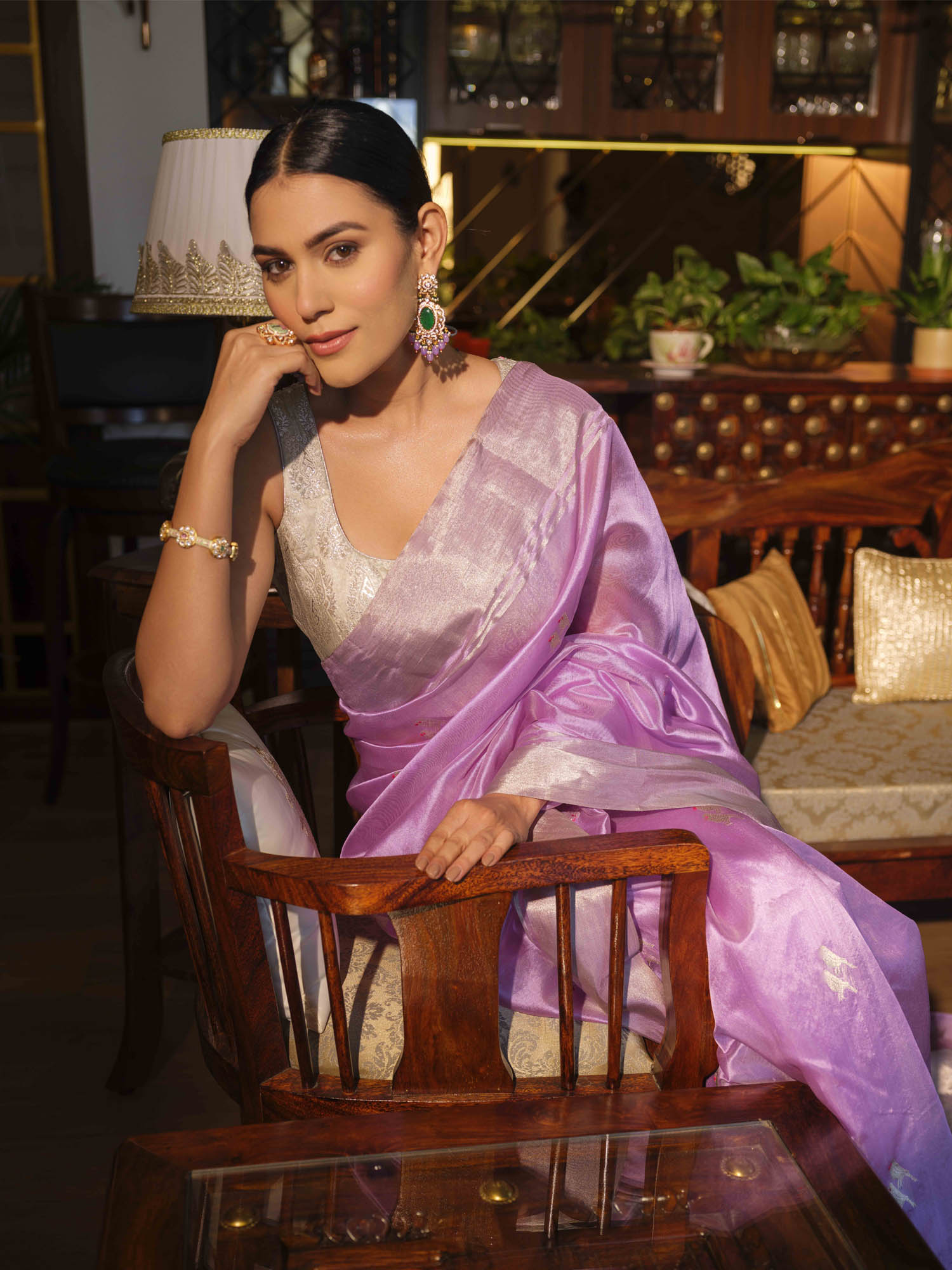
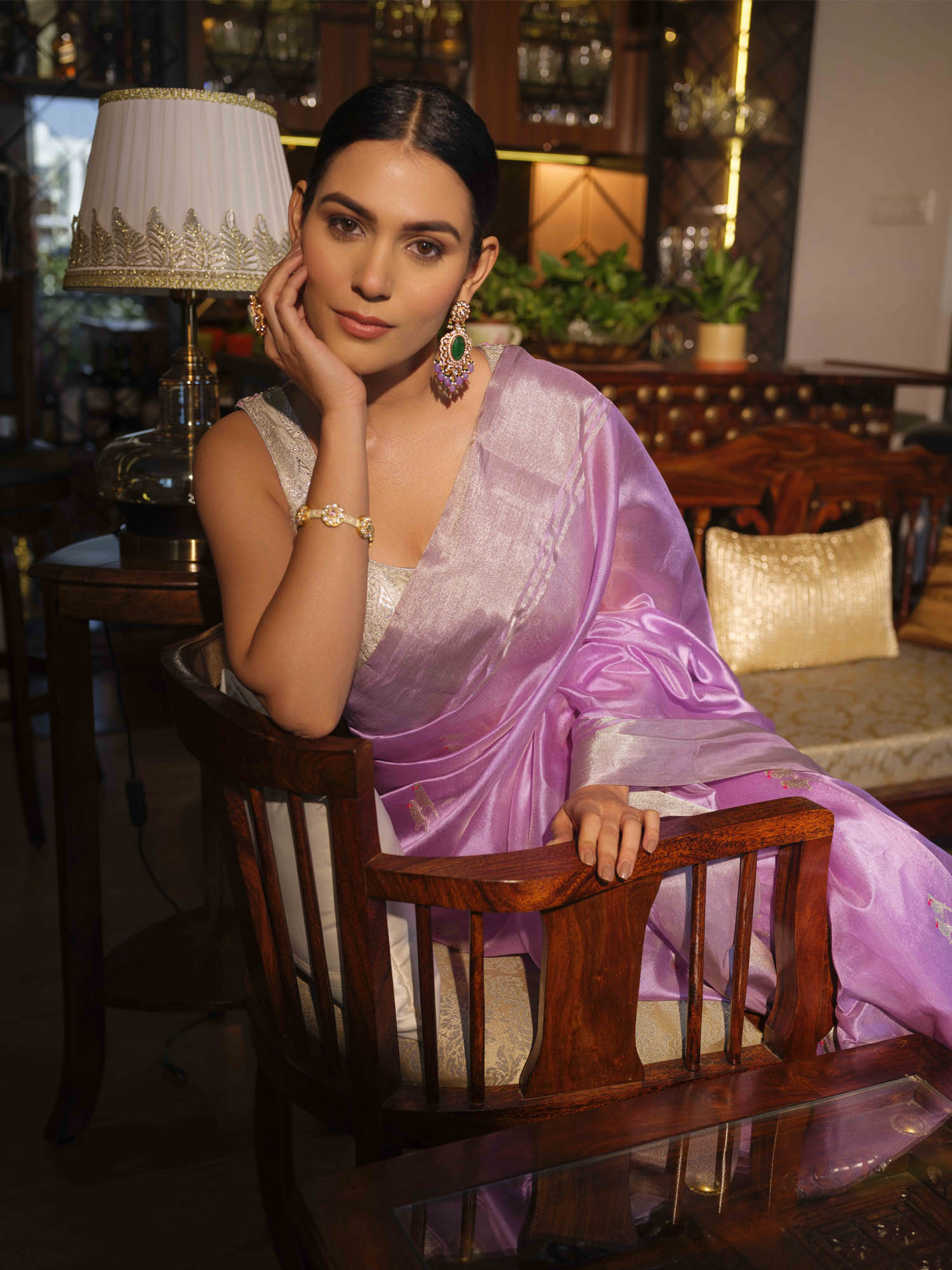
Morning Haze - Lavender Tussar Kantha Shibori Handloom Saree
Rs. 27,000.00
-

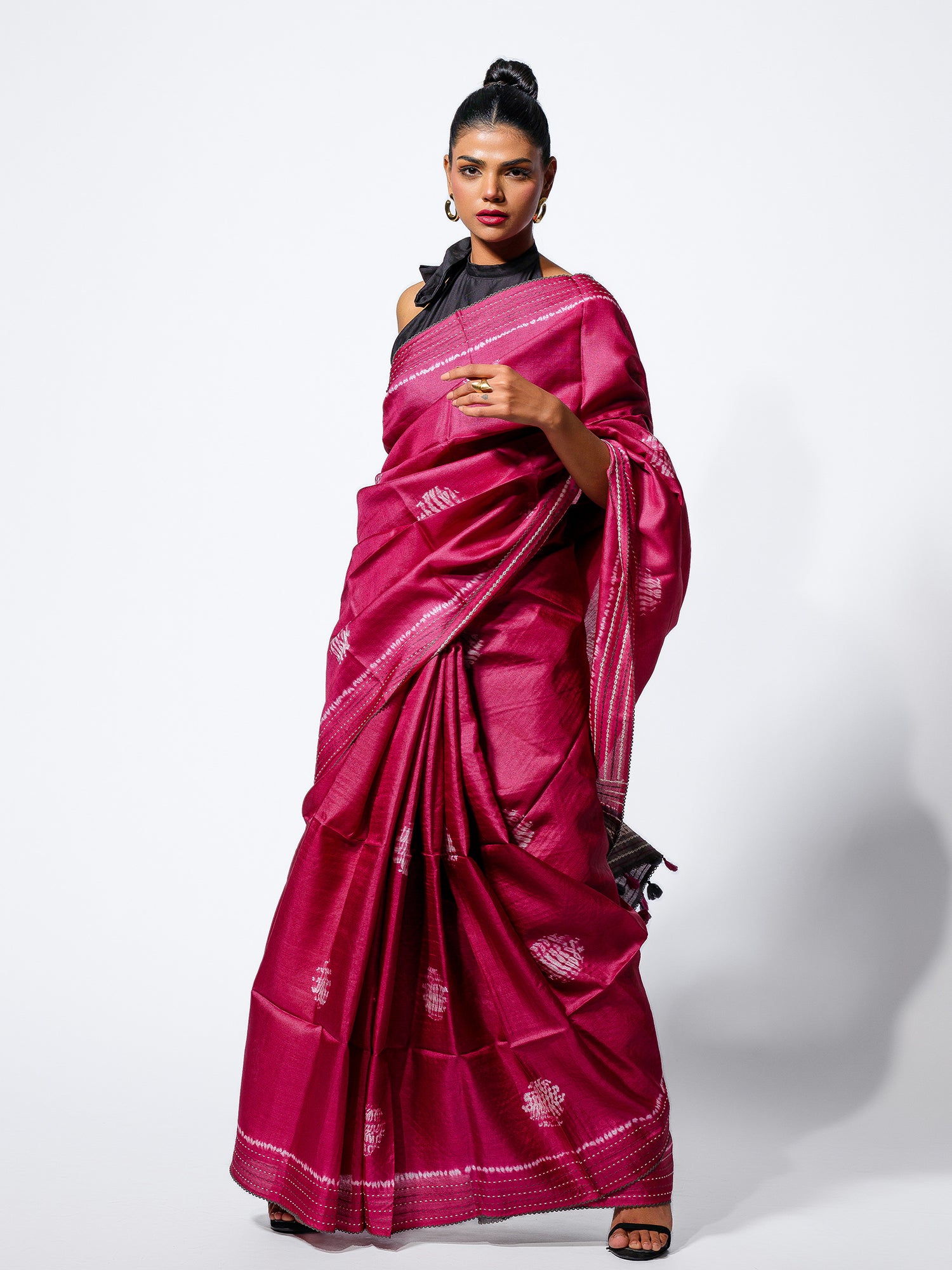
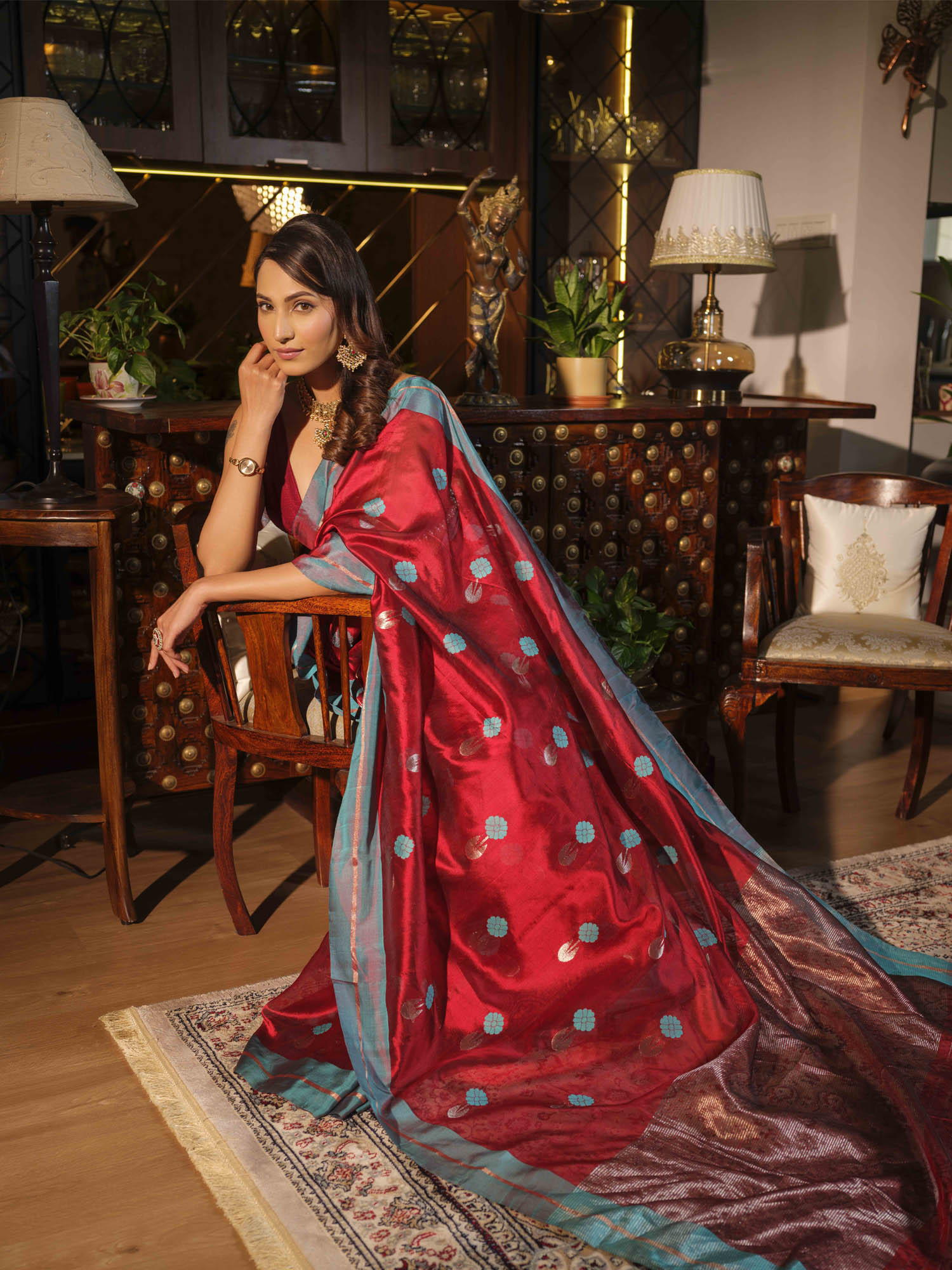
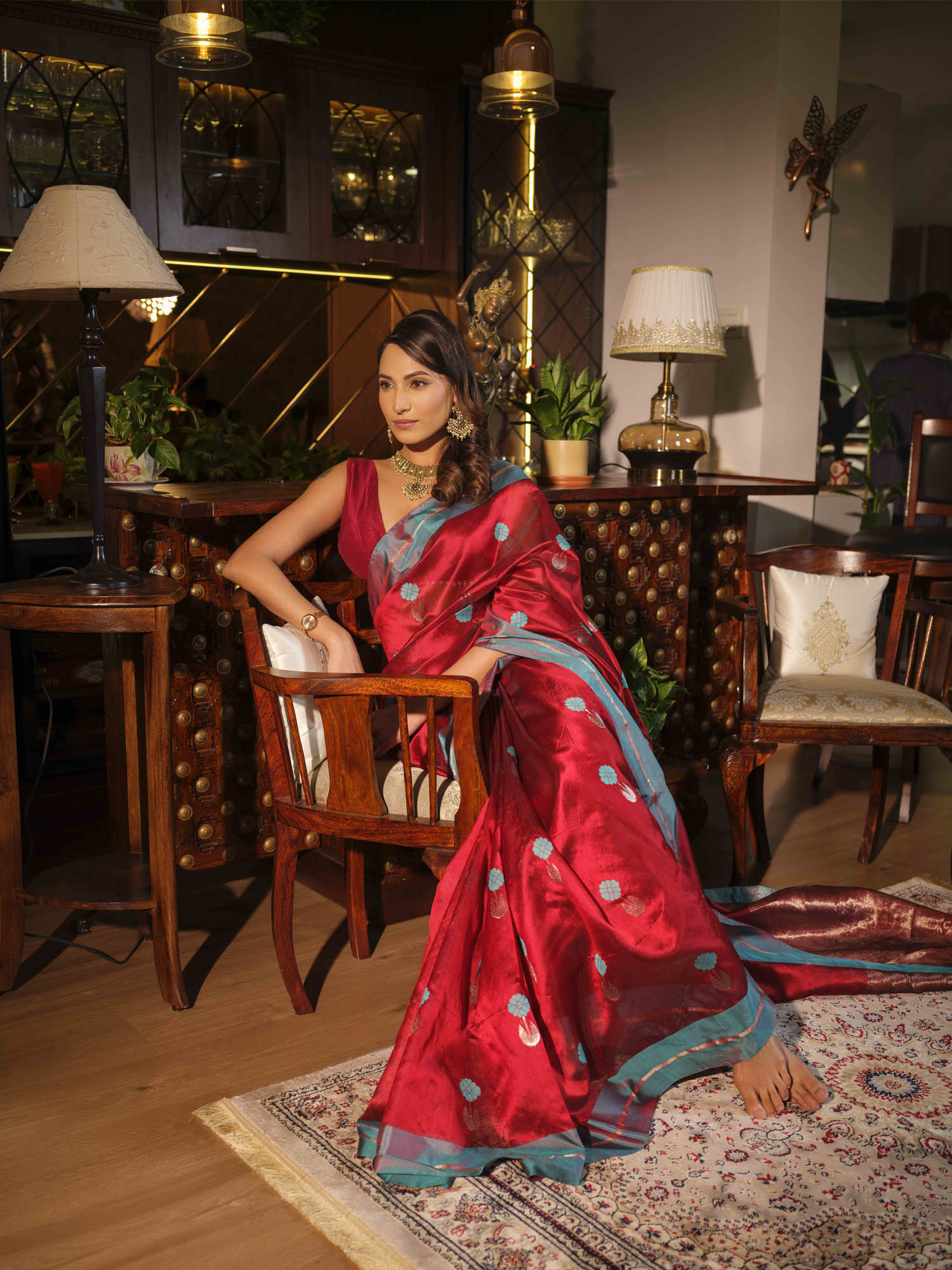
Twilight Bloom - Wine Pink Tussar Kantha Shibori Handloom Saree
Rs. 27,000.00
-

 Sold out
Monsoon Whisper - Olive Green Tussar Kantha Shibori Handloom Saree
Rs. 27,000.00
-

 Sold out
Rising Flame - Burnt Orange Tussar Kantha Shibori Handloom Saree
Rs. 27,000.00
-

 Sold out
Golden Glow - Mustard Yellow Tussar Kantha Shibori Handloom Saree
Rs. 27,000.00


The Art of Eastern Echoes: A Fusion of Tussar, Kantha & Shibori
Welcome to Eastern Echoes sarees, a signature collection by Mrida that celebrates the harmonious union of two distinct art forms. This exclusive range is not just clothing; it is wearable art that blends the rustic elegance of Tussar silk Kantha sarees with the geometric vibrancy of Japanese Shibori dyeing techniques. Designed for the modern connoisseur, these drapes represent the finest in fusion handloom sarees.
Craftsmanship Behind the Collection
Every saree in this collection starts with pure, textured Tussar silk. Our artisans from Bengal first meticulously embroider the fabric with traditional Bengal Kantha sarees motifs (running stitch). The fabric is then treated with the resist-dyeing method to create bold Shibori sarees patterns. This dual process takes weeks to complete, ensuring that every pleat tells a story of patience and skill.
Frequently Asked Questions About Eastern Echoes Sarees
-
What is special about the Eastern Echoes sarees collection by Mrida?
It is a unique fusion of two textile heritages: Japanese Shibori and Indian Kantha. This combination creates a one-of-a-kind handmade saree that tells a global story on sustainable Indian fabric.
-
Does this collection feature authentic Tussar silk Kantha sarees?
Yes, the base of every saree is 100% Handwoven Tussar Silk. We choose Tussar for its golden sheen and texture, which holds the Kantha stitches and Shibori dye perfectly.
-
How is the Shibori technique used in these fusion handloom sarees?
Shibori is used to create bold, geometric backgrounds. The fabric is resist-dyed (folded and clamped), providing a structured canvas over which the fluid, narrative Kantha embroidery is applied.
-
Why are these pieces marketed as limited edition sarees?
Because they are entirely handmade and extremely time-intensive. The dual process of dyeing and embroidering takes weeks, and no two pieces are exactly alike, making each saree a unique collector's item.
-
How should I style and care for my Bengal Kantha Shibori saree?
Style it with a simple, solid blouse to let the art speak. For care, these Premium handloom sarees must be Dry Cleaned Only to preserve the embroidery and silk. Store them in muslin to allow the fabric to breathe.
