
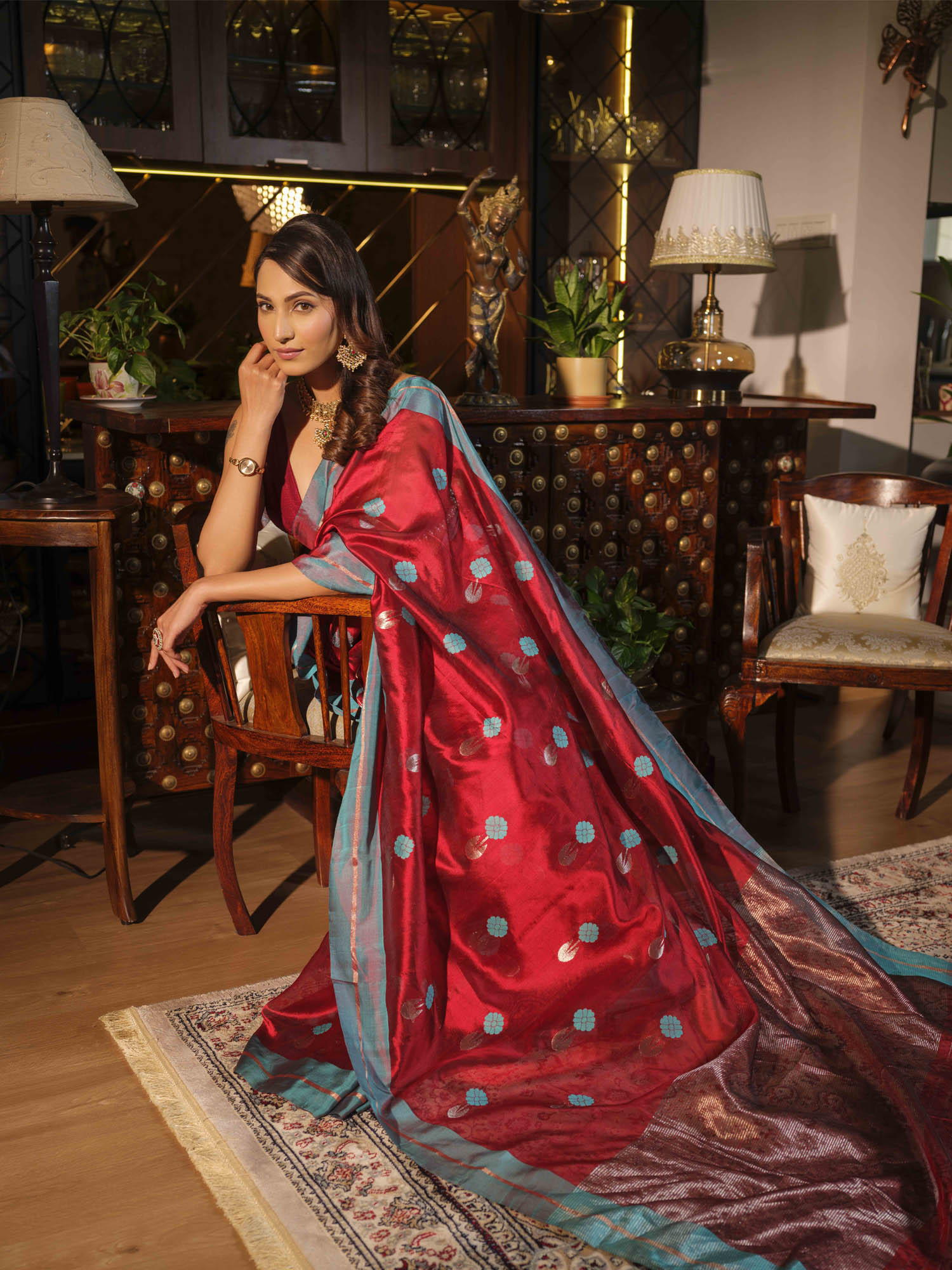
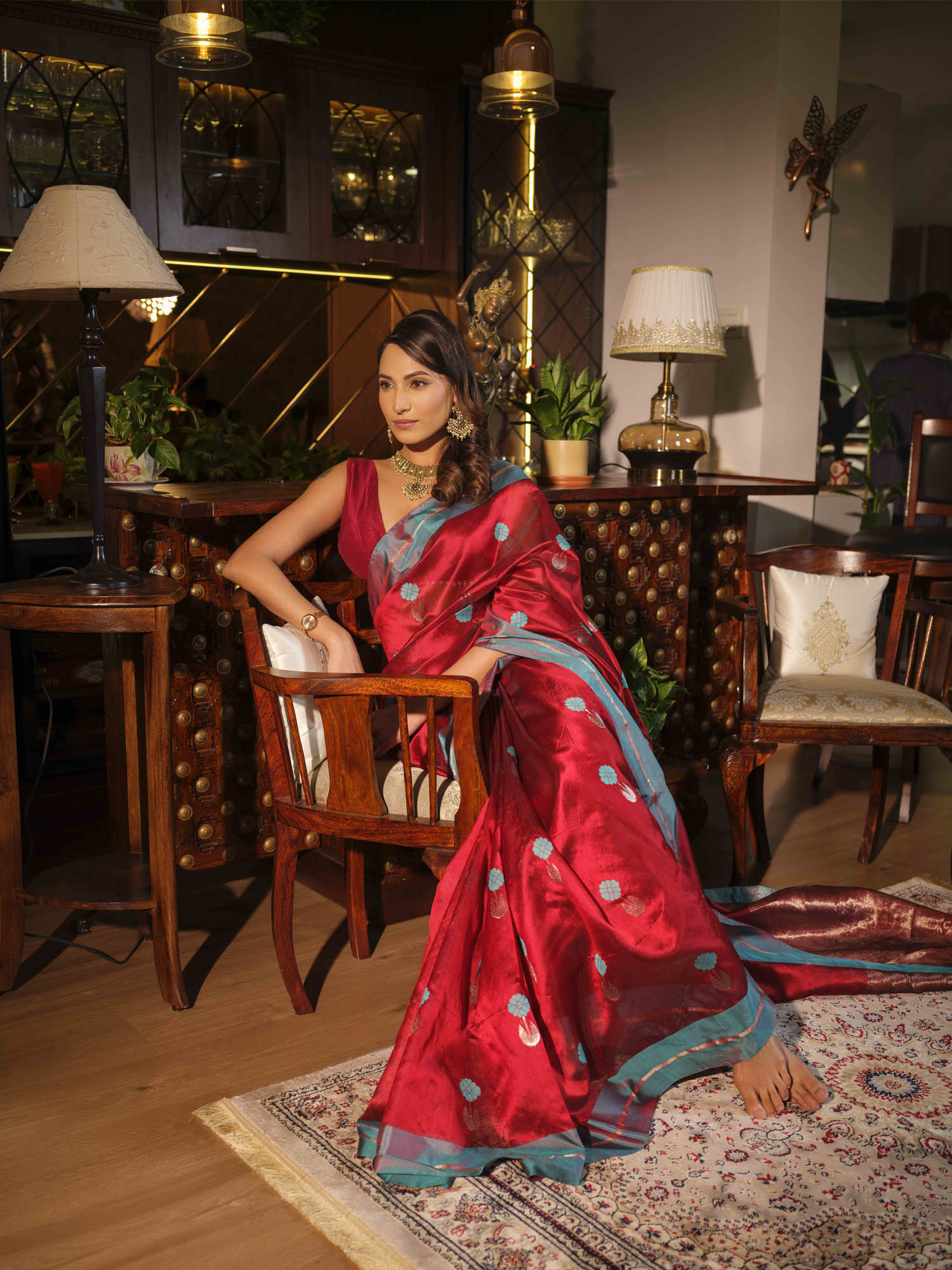
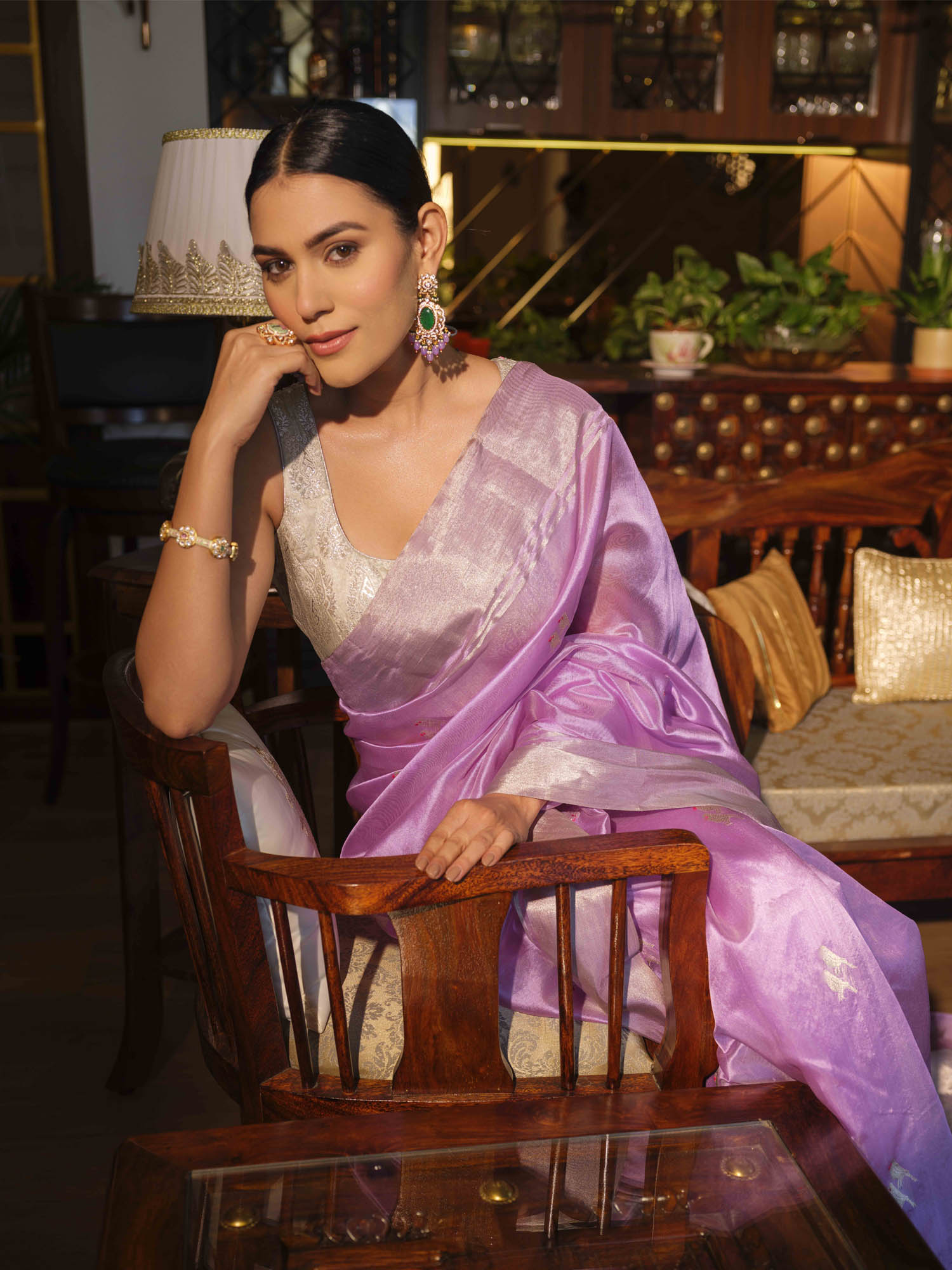
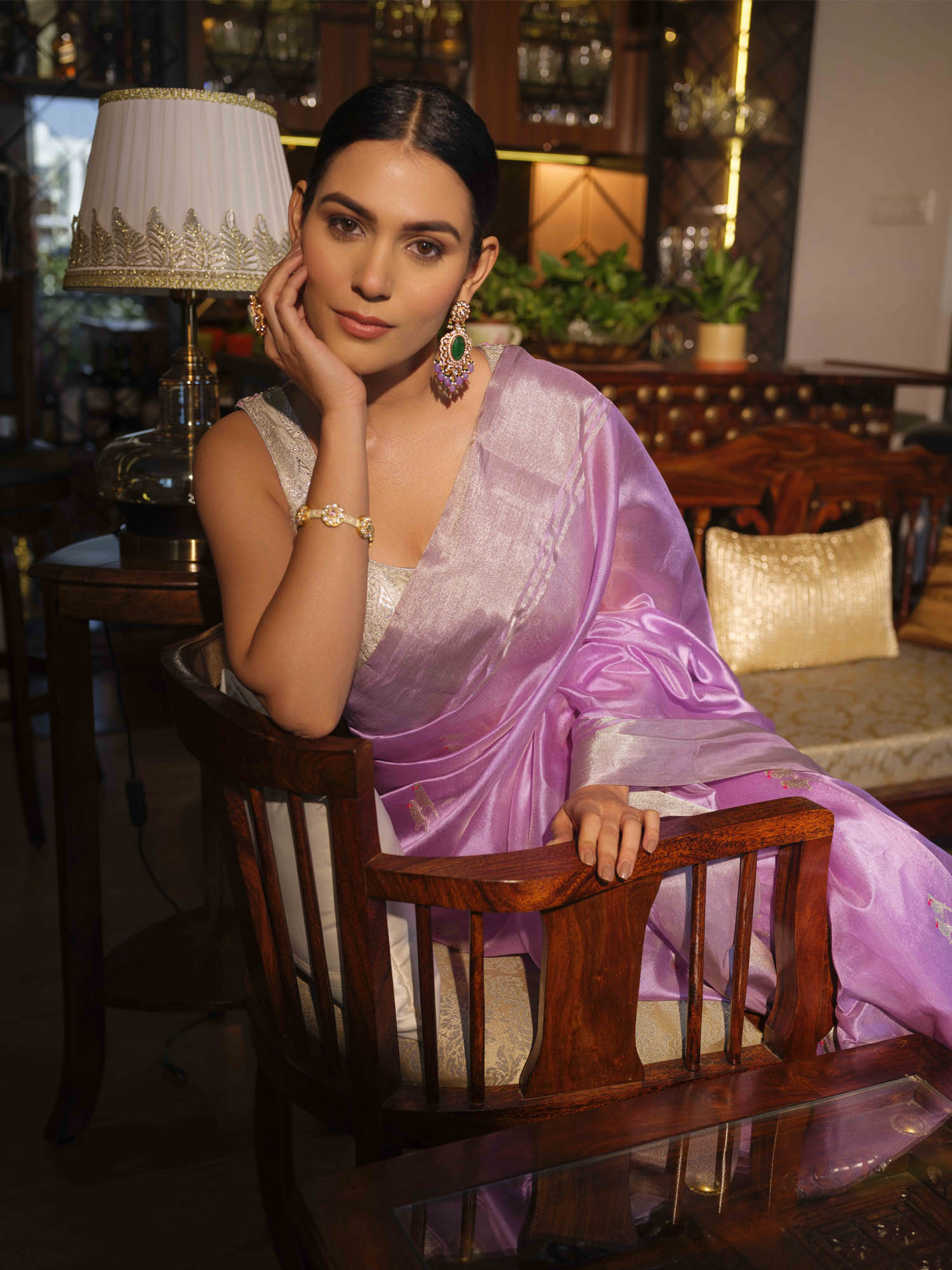




Fashion trends may change with every season, but certain textiles continue to hold their place across generations. Among India's most celebrated heritage textiles, Mangalgiri silk sarees stand apart for their rich history, elegant craftsmanship, and enduring relevance.
Rooted in centuries-old weaving traditions, these handwoven sarees have evolved beautifully with time. Today, they are loved not only by women who appreciate traditional Indian sarees but also by a new generation seeking artisan-made sarees, handloom sarees, and contemporary sarees that feel versatile, elegant, and timeless.
At Mrida, this philosophy comes alive through collections such as From My Garden, where handwoven sarees, artistic storytelling, and contemporary design come together. Through thoughtfully crafted artisan-made sarees, Mrida reimagines heritage textiles for modern women.
A 400-Year-Old Weaving Tradition That Still Feels Relevant Today
Mangalgiri weaving originates from the town of Mangalgiri in Andhra Pradesh's Guntur district, where artisans have practised this craft for over four centuries.
The name Mangalgiri translates to "Auspicious Hill," inspired by the temple town where this weaving tradition flourished. Over generations, local weavers developed a distinctive style recognised for its fine texture, breathable weave, elegant borders, and understated sophistication.
Today, Mangalgiri handloom sarees continue to be among India's most respected weaving traditions, carrying forward techniques that have been preserved and perfected for centuries.
Why the GI Tag Makes Mangalgiri Sarees So Special
One of the strongest indicators of authenticity is Mangalgiri's Geographical Indication (GI) Tag.
A GI Tag is awarded to products whose quality, reputation, and characteristics are directly linked to a specific geographical region. Similar to how Darjeeling Tea or Champagne are protected, authentic Mangalgiri textiles are recognised as products of the Mangalgiri weaving region.
The GI Tag helps preserve:
-
Traditional weaving knowledge
-
Artisan livelihoods
-
Authentic craftsmanship
-
Regional textile heritage
-
India's handloom legacy
For consumers, it serves as an assurance that the fabric represents genuine craftsmanship and cultural authenticity.
What Makes Mangalgiri Silk by Cotton Sarees Unique?
Among the many variations of this craft, Mangalgiri Silk by Cotton remains one of the most admired.
This fabric combines two qualities that modern women value deeply:
-
The natural sheen and richness of silk
-
The comfort and breathability of cotton
The result is a silk cotton saree that feels luxurious without becoming heavy, combining the richness of silk with the everyday comfort that modern women look for in handwoven sarees.
Unlike many occasion-focused textiles, Mangalgiri Silk by Cotton offers a beautiful balance of structure, softness, and ease. It drapes gracefully while remaining comfortable enough for long hours of wear.
This versatility makes it ideal for:
-
Weddings and celebrations
-
Festive dressing
-
Cultural occasions
-
Daytime events
-
Contemporary occasion wear
-
Thoughtful everyday dressing
Key Features of Mangalgiri Silk by Cotton Sarees
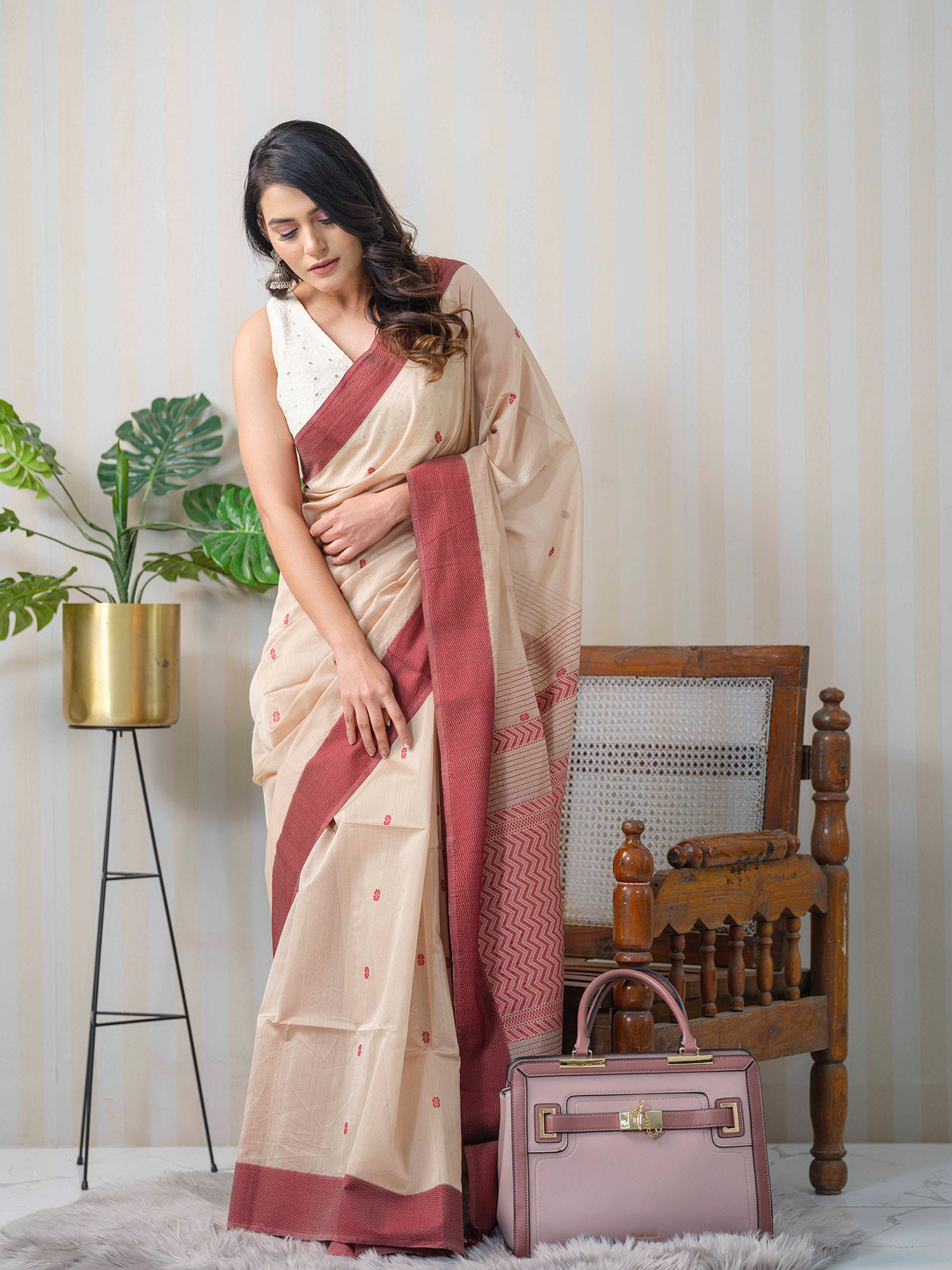
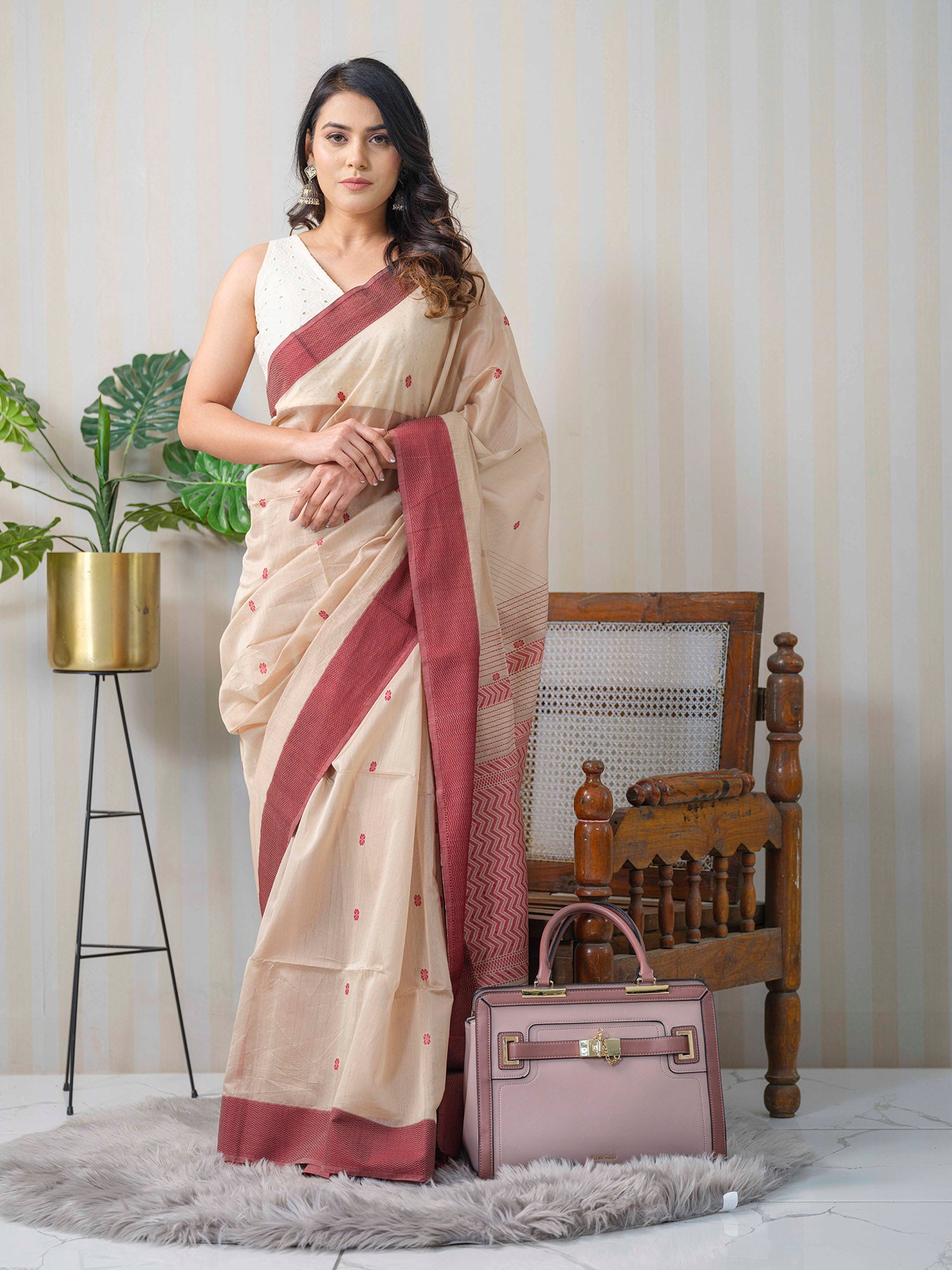
Mangalgiri Silk by Cotton Sarees is celebrated for their unique balance of heritage craftsmanship, comfort, and contemporary elegance. Handwoven by skilled artisans, these sarees are part of a recognised GI-tagged weaving tradition that has been preserved for centuries. The blend of natural silk and cotton creates a fabric that combines the subtle sheen of silk with the breathability and ease of cotton, making it comfortable for long hours of wear.
Known for their lightweight weave, graceful drape, and beautifully structured pleats, these Mangalgiri Silk Cotton Sarees transition effortlessly from weddings and festive occasions to cultural gatherings and modern celebrations. As traditional silk cotton sarees, they offer a rare balance of richness and practicality, making them suitable for a variety of occasions.
Their ability to feel both timeless and contemporary is what continues to make Handwoven Mangalgiri Sarees some of India's most admired heritage handloom sarees. For women seeking authentic Mangalgiri handloom sarees that combine comfort, craftsmanship, and enduring style, this textile remains a timeless choice.
Why Modern Women Choose Mangalgiri Sarees
Today's women often seek clothing that honours tradition while fitting seamlessly into modern lifestyles.

These traditional Indian sarees continue to appeal to women who want clothing that feels rooted in culture while fitting effortlessly into contemporary lifestyles.
Mangalgiri silk sarees do exactly that.
They combine the richness of Indian handloom heritage with the practicality and versatility needed for contemporary wardrobes.
-
Lightweight Yet Elegant
Many traditional sarees can feel heavy during extended wear. Mangalgiri Silk by Cotton remains lightweight while maintaining a refined and sophisticated appearance.
-
Versatile Across Occasions
A single saree can transition effortlessly from intimate gatherings and office celebrations to weddings and festive events with simple styling changes.
-
Timeless Rather Than Trend-Driven
Unlike fashion trends that come and go, Mangalgiri handwoven sarees are rooted in classic design principles that remain relevant year after year.
-
Comfortable for Indian Weather
The breathable cotton component allows better airflow, making these silk cotton sarees comfortable even during warmer months.
Fascinating Facts About Mangalgiri Sarees
The more you learn about Mangalgiri weaving, the more remarkable the craft becomes.
-
The Famous Nizam Border
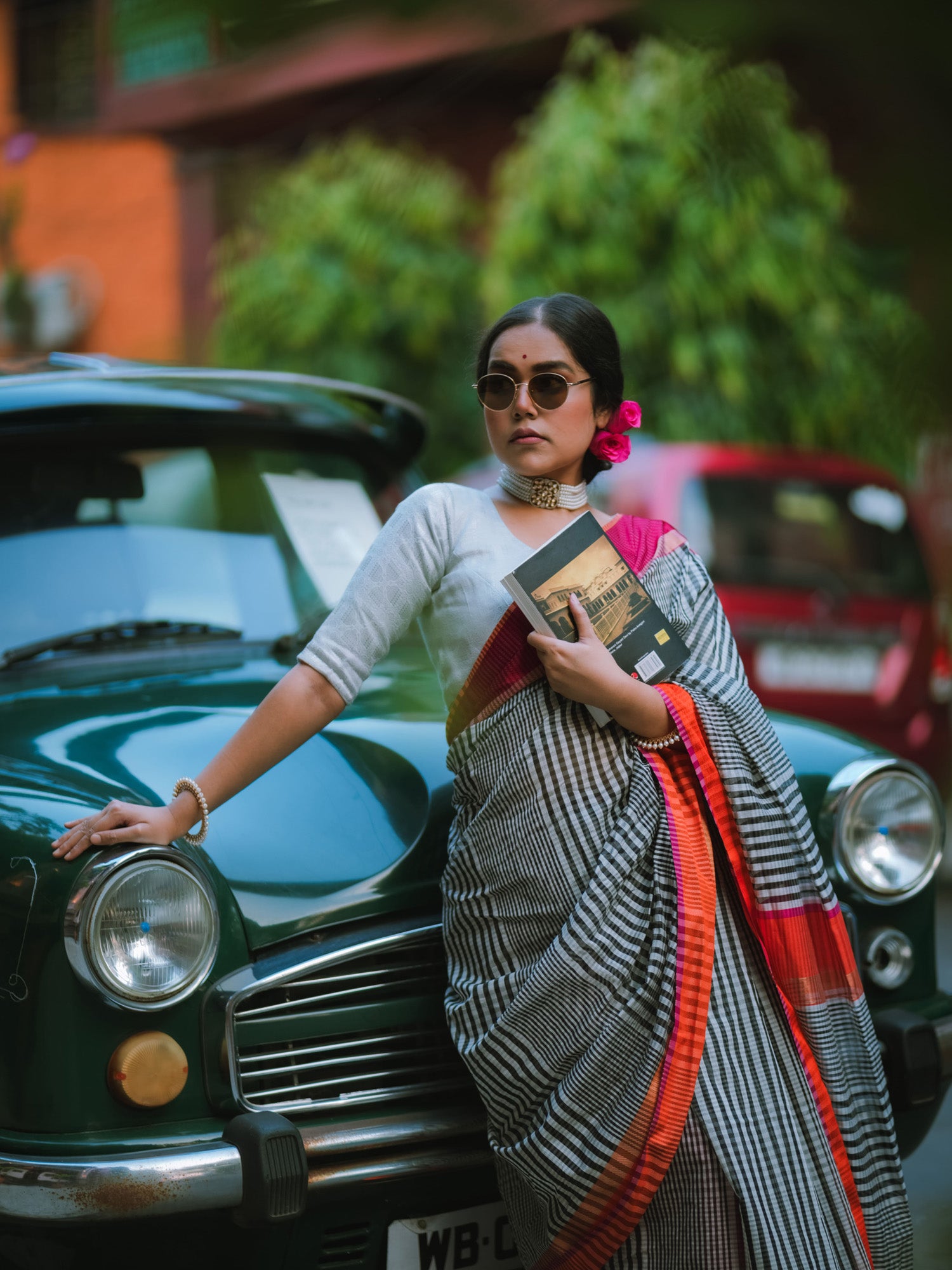
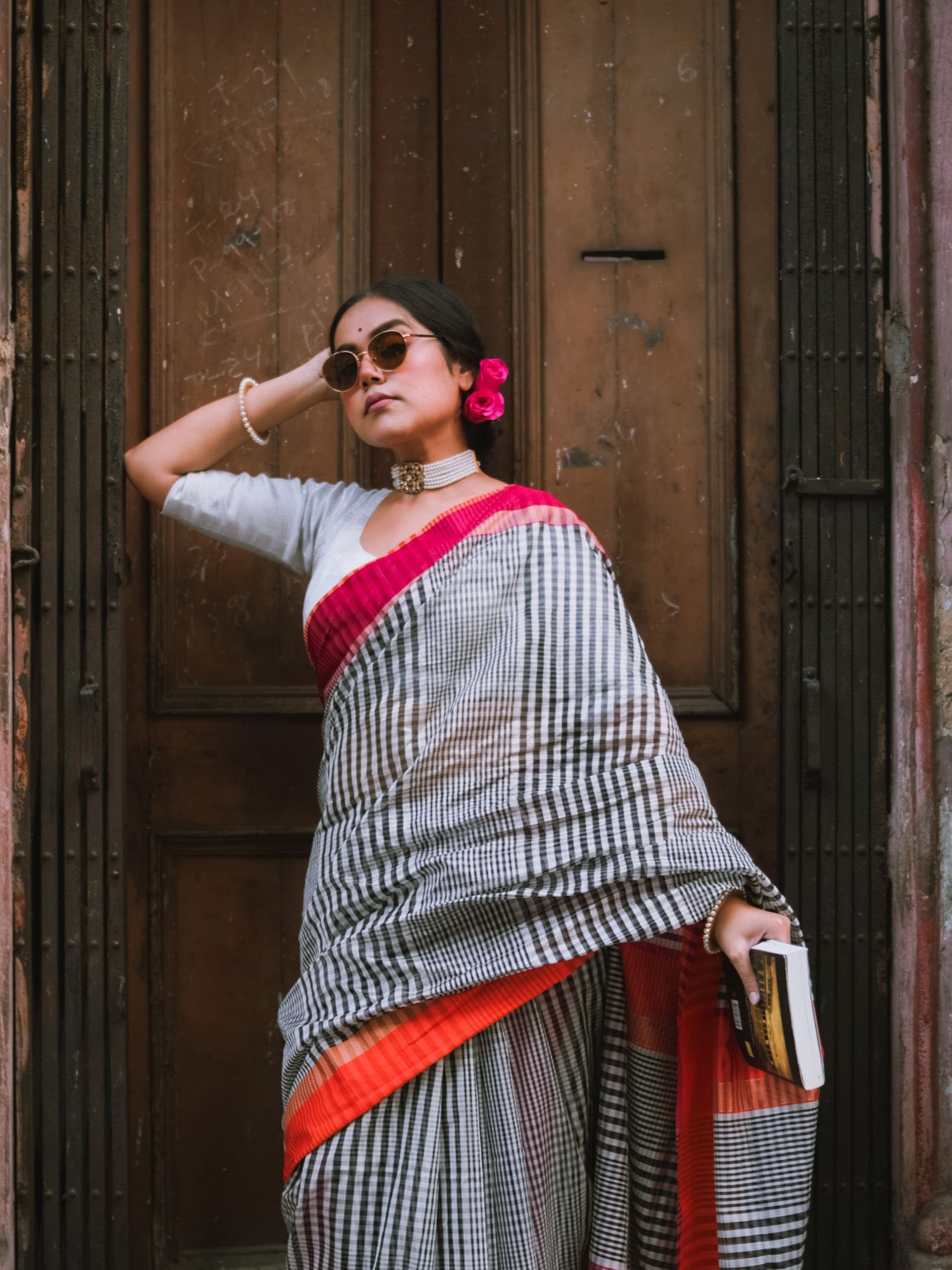
Mangalgiri sarees are known for their distinctive borders, often called Nizam Borders, inspired by historical influences from the Deccan region.
-
Temple-Inspired Design Language
Many traditional motifs draw inspiration from temple architecture and cultural symbols that have shaped the region's artistic identity.
-
Elegance Through Simplicity
Unlike heavily embellished textiles, Mangalgiri sarees are celebrated for the beauty of the weave itself. Their elegance comes from craftsmanship rather than excessive ornamentation.
-
A Living Craft Tradition
Entire weaving communities in Andhra Pradesh continue to sustain this heritage, passing their knowledge from one generation to the next.
Traditional Sarees with a Contemporary Outlook
One reason Mangalgiri sarees continue to thrive is their ability to evolve without losing their identity. They represent a perfect balance between heritage textiles and contemporary sarees, making them relevant for today's generation of saree wearers.
Today's designers and contemporary brands are reimagining traditional Indian sarees through:
-
Modern colour palettes
-
Hand painted artwork
-
Minimalist motifs
-
Contemporary styling
-
Artistic storytelling
At Mrida, this philosophy comes alive through collections such as From My Garden, where handwoven Mangalgiri Silk by Cotton becomes a canvas for hand painted florals inspired by everyday gardens, seasonal blooms, and moments of quiet observation.
The result is a collection of contemporary sarees that feel deeply rooted in heritage while remaining relevant to modern women.
Preserving India's Handloom Heritage
Every Mangalgiri saree represents more than a beautiful garment. These handloom sarees are living examples of India's rich textile legacy and the enduring value of heritage textiles.
It represents generations of weaving knowledge, artisan skill, and cultural memory.
As fast fashion continues to dominate the market, authentic handloom sarees play an important role in preserving India's textile traditions. Choosing artisan-made sarees supports weaving communities, sustains traditional skills, and helps safeguard heritage crafts for future generations.
At Mrida, preserving India's handloom heritage is not simply about celebrating beautiful fabrics. It is about creating meaningful connections between artisans, craft traditions, and the women who wear these textiles today.
Why Heritage Textiles Matter More Than Ever
In an era of fast-changing fashion cycles, sustainable fashion is increasingly linked to craftsmanship, longevity, and conscious consumption. Choosing artisan-made handloom sarees supports all three.
In a world increasingly shaped by mass production, heritage textiles offer something unique.
They carry stories.
They preserve skills.
They connect us to people, places, and traditions that have existed long before modern fashion cycles.
Choosing a Mangalgiri silk saree is not simply choosing a piece of clothing. It is choosing craftsmanship, authenticity, and a living tradition that continues to evolve through the hands of skilled artisans.
Final Thoughts
Whether chosen for weddings, celebrations, cultural occasions, or thoughtful everyday dressing, Mangalgiri Silk by Cotton sarees continue to represent the enduring beauty of Indian handloom craftsmanship.
With their recognised GI heritage, breathable silk-cotton weave, and timeless elegance, they remain one of India's most cherished heritage textiles.
Collections such as From My Garden demonstrate how traditional Mangalgiri Silk by Cotton can be reimagined through hand painted saree artistry while remaining rooted in India's handloom heritage.
At Mrida, this tradition is reimagined through contemporary design, artistic storytelling, and a deep respect for the artisans who keep the craft alive. Through thoughtfully crafted handwoven sarees, Mrida celebrates a weaving legacy that remains as relevant today as it was centuries ago.
Frequently Asked Questions (FAQs)
1. What is special about Mangalgiri silk sarees?
Mangalgiri silk sarees are known for their lightweight feel, breathable weave, and rich handloom heritage. Woven in Andhra Pradesh, these traditional Indian sarees combine the elegance of silk with the comfort of cotton, making them suitable for weddings, festive occasions, cultural events, and contemporary everyday dressing.
2. What does the GI Tag mean for Mangalgiri sarees?
The GI Tag certifies that authentic Mangalgiri textiles originate from the Mangalgiri region of Andhra Pradesh. It helps protect traditional weaving techniques, artisan livelihoods, and the authenticity of the craft while ensuring buyers receive genuine heritage textiles.
3. Where are authentic Mangalgiri sarees made?
Authentic Mangalgiri sarees are woven in and around Mangalgiri town in Andhra Pradesh's Guntur district. This region has been associated with the craft for over 400 years and continues to be home to skilled artisan communities who preserve the weaving tradition.
4. What is Mangalgiri Silk by Cotton?
Mangalgiri Silk by Cotton is a unique silk-cotton fabric that combines the natural sheen of silk with the breathability and comfort of cotton. The result is a fabric that feels elegant yet lightweight, making it ideal for long hours of wear.
5. Are Mangalgiri silk sarees suitable for weddings?
Yes. Mangalgiri silk sarees are ideal for weddings, engagement ceremonies, festive occasions, and cultural celebrations. Their elegant drape, refined texture, and timeless appeal make them a versatile choice for both brides and wedding guests.
6. Why are Mangalgiri sarees considered timeless?
Mangalgiri sarees have remained relevant for generations because of their classic weaving style, elegant borders, breathable fabric, and ability to adapt to contemporary design while preserving their traditional identity.
7. Are Mangalgiri sarees comfortable for long hours?
Yes. The cotton component of Mangalgiri Silk by Cotton allows better airflow and breathability, making these handwoven sarees comfortable for extended wear during celebrations, events, and everyday occasions.
8. How can I identify an authentic Mangalgiri saree?
Look for information about the weaving origin, fabric composition, traditional borders, and artisan craftsmanship. Purchasing from trusted handloom-focused brands like Mrida can help ensure authenticity and quality.
9. What are the traditional features of a Mangalgiri saree?
Mangalgiri sarees are known for their distinctive Nizam borders, temple-inspired motifs, fine weave, and minimal yet elegant aesthetic. These elements have become defining characteristics of the craft over centuries.
10. Can Mangalgiri silk sarees be worn in summer?
Yes. Thanks to the breathable cotton content and lightweight weave, Mangalgiri Silk cotton sarees remain comfortable even during warmer weather, making them suitable for year-round wear.
11. Why are modern women choosing handloom Mangalgiri sarees?
Modern women appreciate Mangalgiri handloom sarees because they combine heritage, comfort, versatility, and contemporary style. They offer a meaningful alternative to fast fashion while remaining elegant and wearable.
12. How do Mangalgiri sarees support artisan communities?
Every authentic Mangalgiri saree supports traditional weaving communities in Andhra Pradesh. Purchasing handwoven sarees helps sustain artisan livelihoods, preserve cultural heritage, and encourage the continuation of centuries-old weaving traditions.
