




Fashion trends come and go faster than we can save them on Pinterest. But some pieces never lose their charm. The saree is one of them.
For generations, traditional Indian sarees have been woven into our celebrations, memories, and everyday stories. What's changing today isn't the saree itself. It's the way modern women are wearing it.
Today's saree isn't waiting in the wardrobe for a wedding invitation. It's showing up at brunches, boardrooms, intimate gatherings, festive dinners, and everything in between. Traditional sarees for modern women have become a reflection of personal style, individuality, and thoughtful fashion choices.
Today's women are increasingly choosing artisan-made sarees that combine heritage craftsmanship with contemporary aesthetics. They want pieces that feel timeless yet relevant, elegant yet comfortable, and rooted in tradition while embracing modern lifestyles.
And perhaps that's why more women are falling in love with handloom sarees all over again.
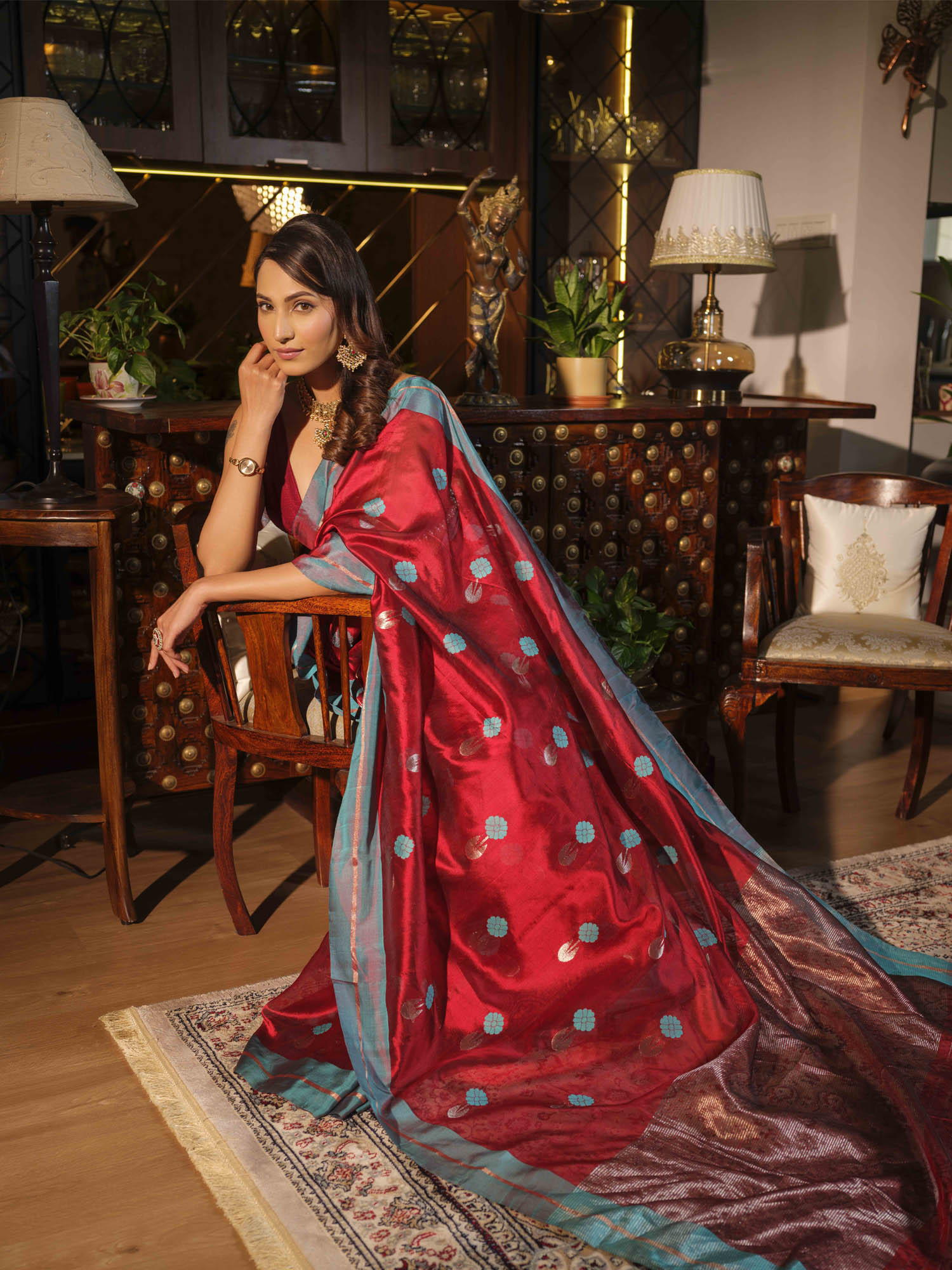
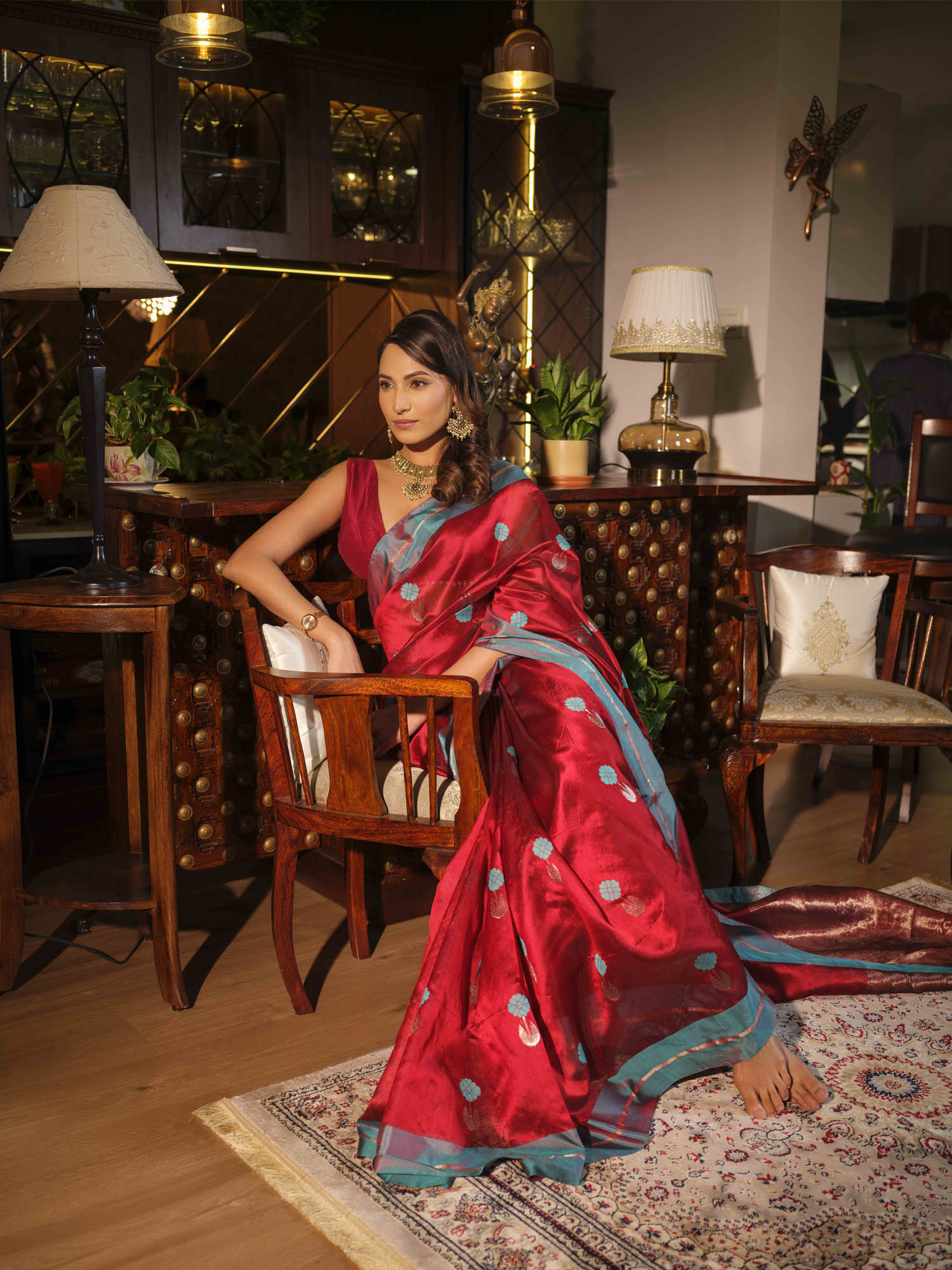
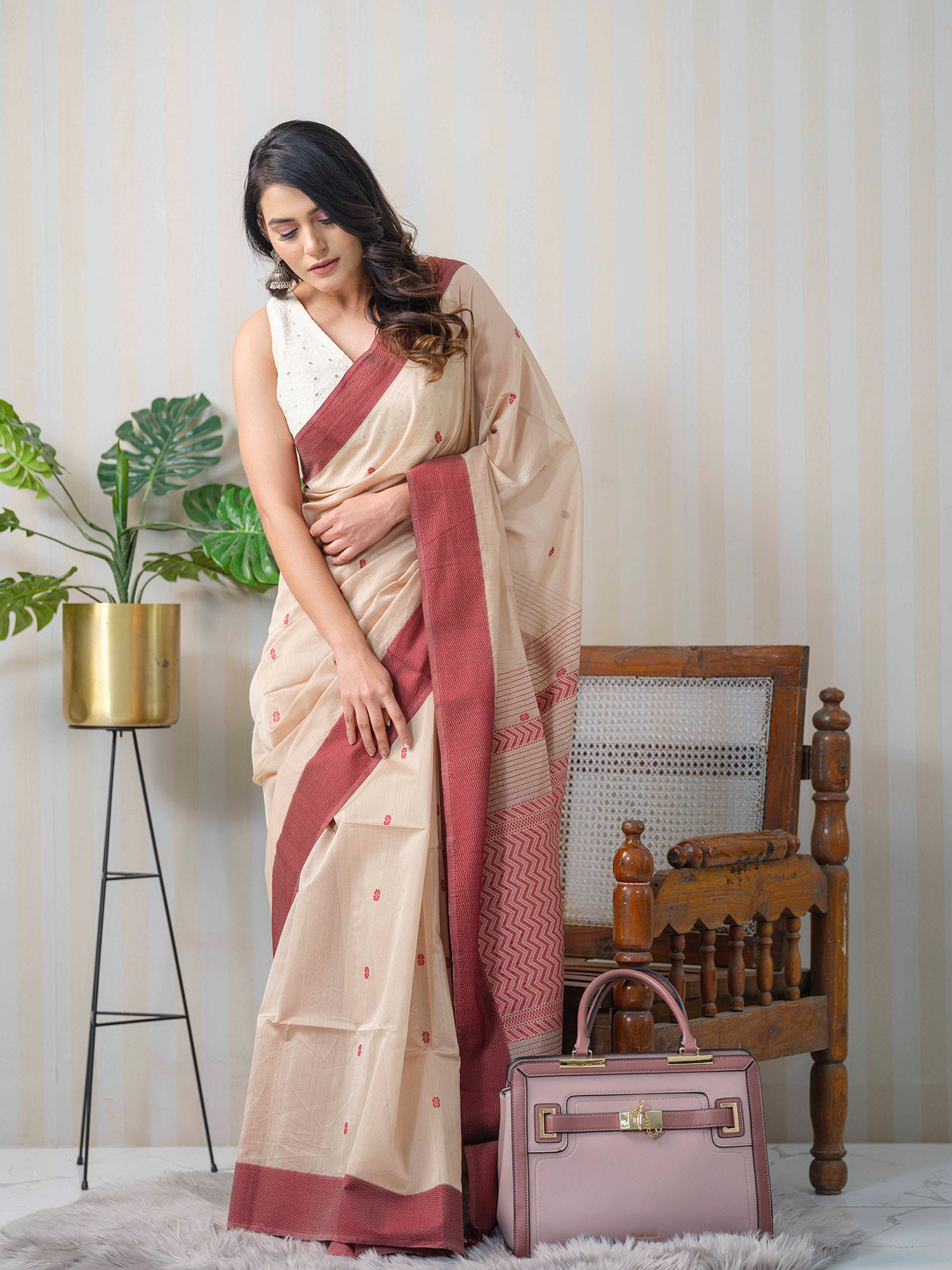
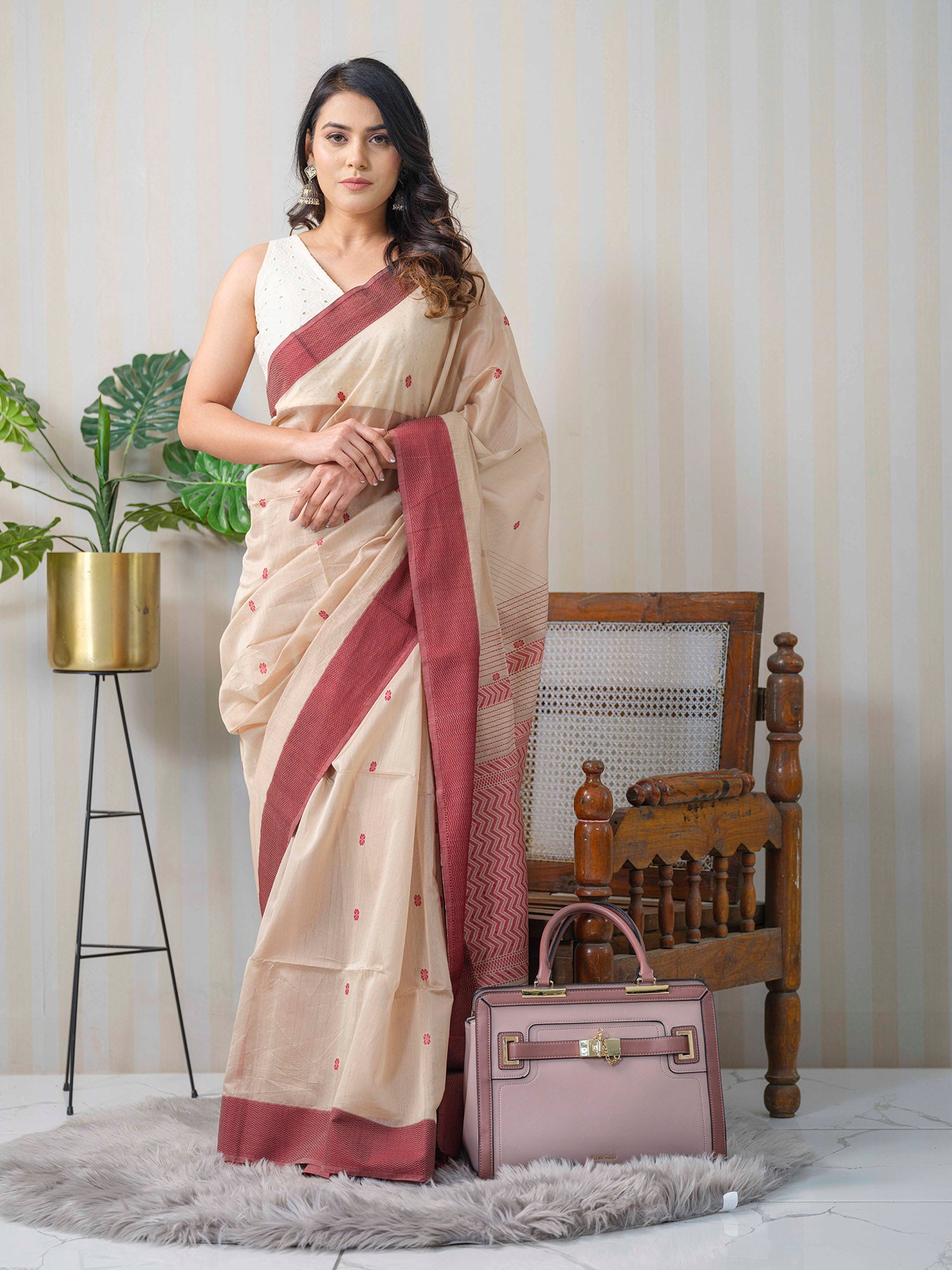
Explore From My Garden: The Bloom Edit collection, where handwoven Mangalgiri Silk by Cotton sarees are brought to life through hand painted florals inspired by nature.

The Modern Woman's Relationship with Traditional Sarees
The saree has always been iconic. But today's woman is giving it a fresh perspective.
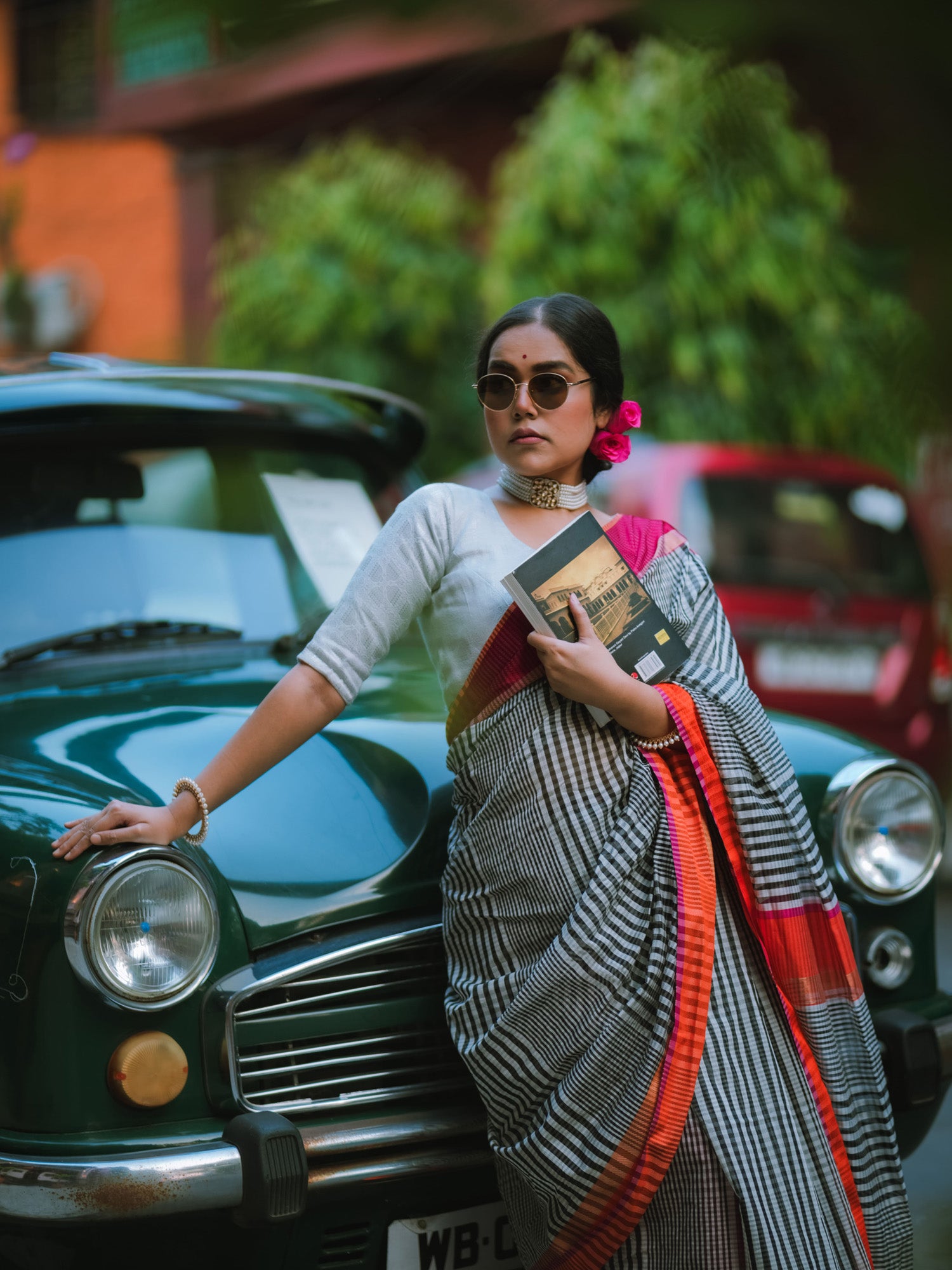
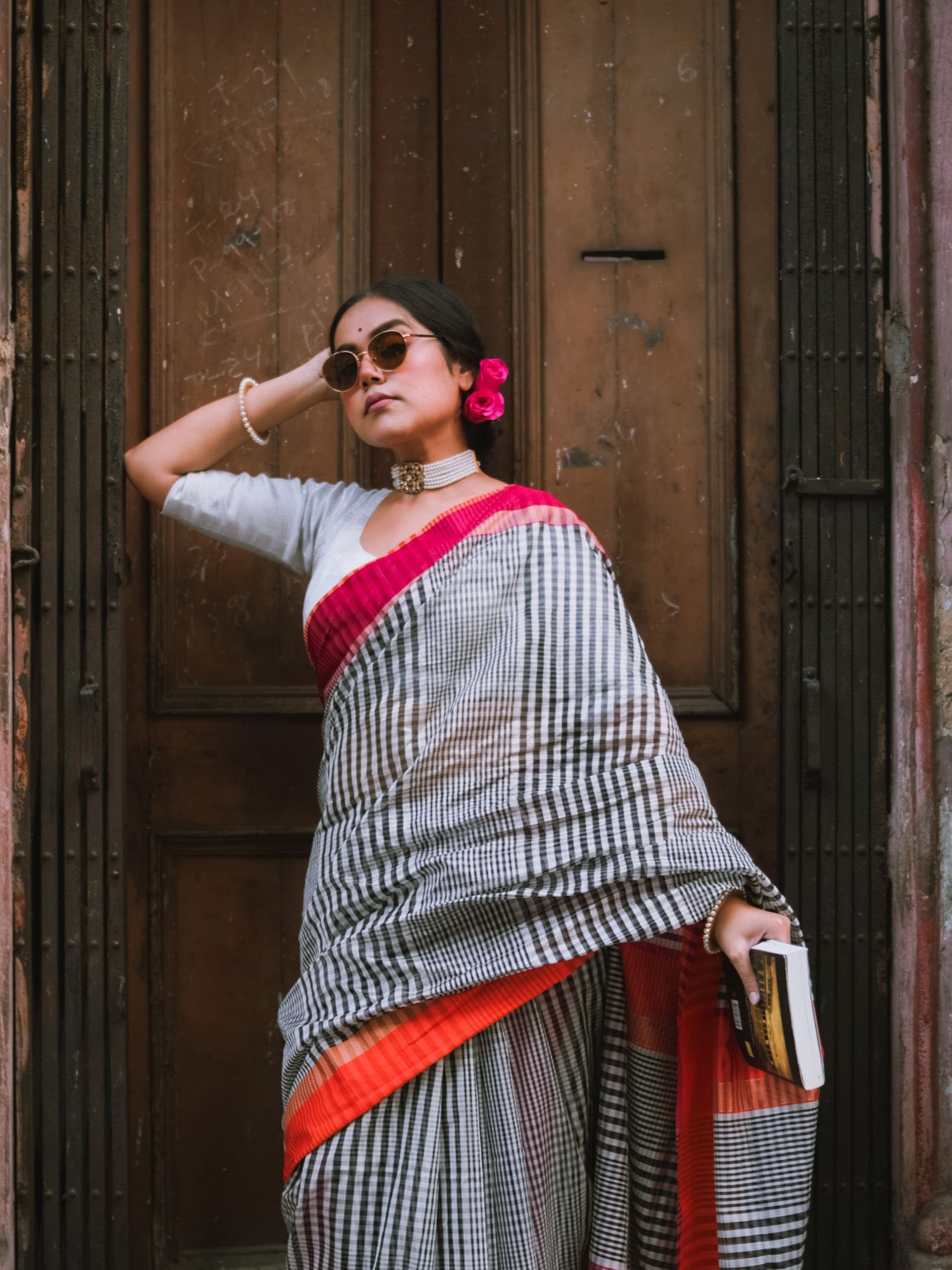
Instead of investing in outfits that make a grand appearance once and disappear forever, many women are choosing sarees that can be styled repeatedly in different ways. One day with silver jewellery, another day with a crisp shirt-style blouse, and suddenly the same saree feels entirely new.
That's where handwoven sarees truly shine.
They carry centuries of craftsmanship while fitting effortlessly into modern wardrobes. They're timeless without feeling old-fashioned and elegant without trying too hard.
Why Handloom Sarees Are More Relevant Than Ever
Let's be honest. Most things today are made quickly, sold quickly, and forgotten quickly.
Handloom sarees are the exact opposite.
Every handwoven saree carries the rhythm of the loom, the skill of the artisan, and the story of a craft passed down through generations. The tiny variations in texture and weave aren't imperfections. They're proof that a human hand was involved.
And in a world full of identical products, that's something worth celebrating.
Handloom sarees offer:
• Timeless elegance
• Exceptional craftsmanship
• Comfortable wear
• Sustainable fashion value
• A meaningful connection to Indian textile traditions
They're not just garments.
They're pieces of living heritage.
Mangalgiri Silk Sarees: A Heritage Craft for Contemporary Dressing
If there were a saree that perfectly balanced comfort and sophistication, Mangalgiri Silk by Cotton would be a strong contender.
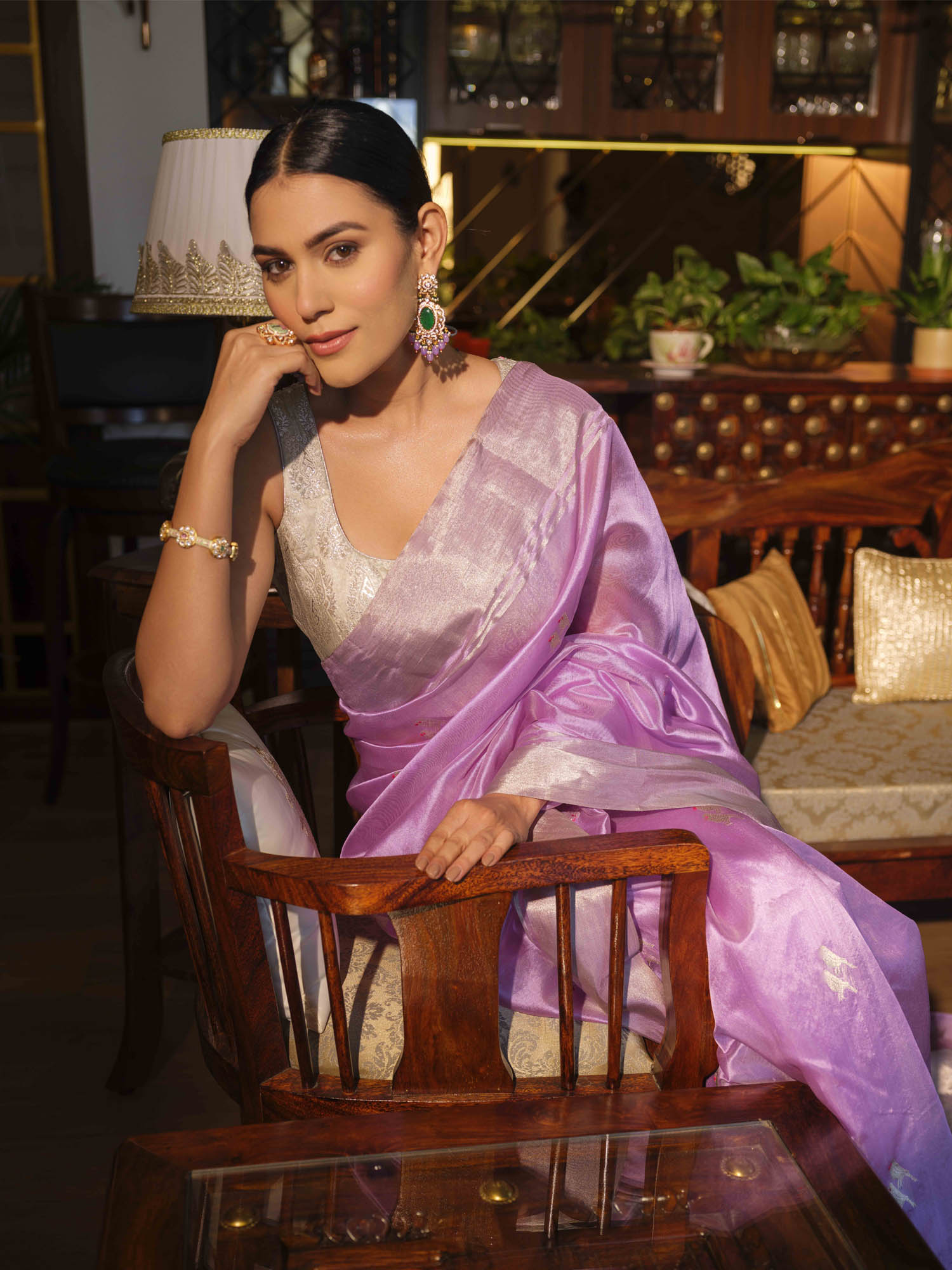
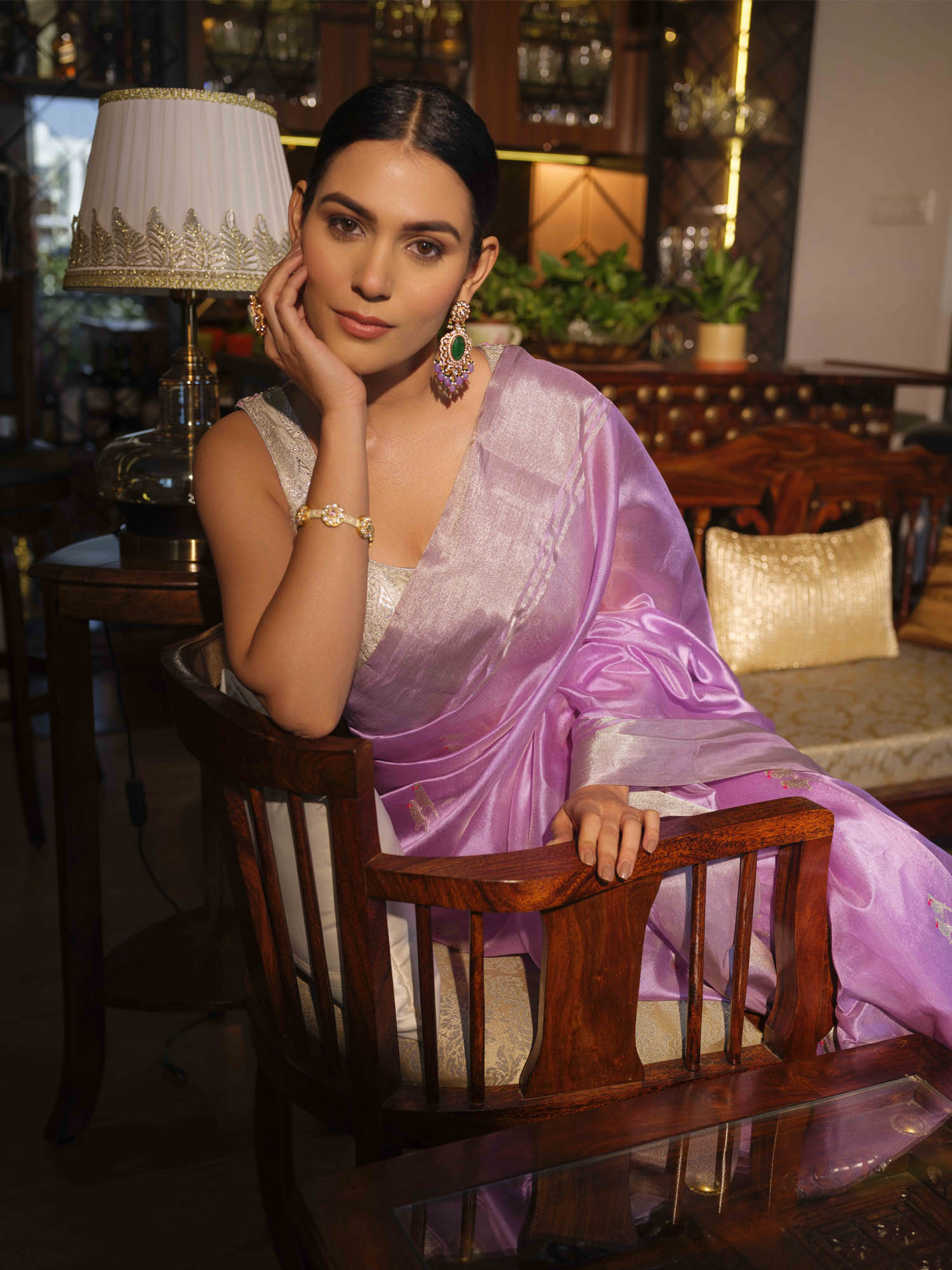
Discover Mrida's collection of Mangalgiri Silk by Cotton Sarees crafted for modern women who value heritage and contemporary style.
Originating from Mangalgiri in Andhra Pradesh, this GI-tagged textile combines the luxurious sheen of silk with the breathable comfort of cotton. The result is a saree that feels as good as it looks.
Mangalgiri silk cotton sarees are loved for:
• Lightweight drapes
• Elegant structure
• Breathable comfort
• Rich handloom heritage
• Versatility across occasions
• A beautiful balance of silk and cotton comfort
Whether you're attending a festive celebration, hosting a family gathering, heading to a cultural event, or simply dressing up because you feel like it, Mangalgiri sarees adapt beautifully.
They're proof that comfort and elegance can absolutely coexist.
The Rise of Hand Painted Sarees

Now imagine taking a beautiful handwoven saree and turning it into a canvas.
That's exactly what hand painted sarees do.
Explore our collection of Hand Painted Floral Sarees inspired by gardens, monsoon blooms, and artisan craftsmanship.
Unlike printed designs that can be replicated thousands of times, hand painted artwork is created one brushstroke at a time. Every flower, leaf, and motif is painted individually, making each saree slightly different from the next.
Which means no two sarees are ever truly identical.
And that's what makes them special.
Hand painted sarees offer:
• Artistic expression
• Limited-edition appeal
• Unique detailing
• Wearable craftsmanship
• Contemporary storytelling
They're not just something you wear.
They're something you experience.
Hand Painted Sarees vs Printed Sarees
| Hand Painted Sarees | Printed Sarees |
|---|---|
| Painted individually by artisans | Machine printed |
| Every saree is unique | Designs can be mass produced |
| Rich artistic value | Standardized patterns |
| Limited-edition appeal | Easily replicated |
| Strong craftsmanship story | Primarily design-focused |
For women who value individuality and craftsmanship, hand painted sarees offer a more personal and meaningful experience, while printed sarees focus on consistency and mass accessibility.
Why Contemporary Sarees Are Redefining Indian Fashion
Contemporary sarees are changing the way women approach traditional dressing.
Rather than reserving sarees only for weddings or major celebrations, modern women are embracing them as versatile garments that can adapt to different moods and occasions.
This shift is driven by:
• Lightweight and breathable fabrics
• Artistic craftsmanship and handwoven textiles
• Minimalist styling and modern colour palettes
• Greater appreciation for artisan-made fashion
• A desire for sustainable and meaningful purchases
Traditional sarees for modern women are no longer about choosing between heritage and style.
They are about bringing the two together in a way that feels authentic and personal.
Whether crafted as handloom sarees, hand painted sarees, or contemporary interpretations of heritage textiles, today's sarees are designed to move effortlessly between tradition and modern life.
Where Heritage Meets Contemporary Style
The modern saree isn't trying to choose between tradition and innovation.
It's happily borrowing from both.
Today's designers and artisan-led brands are reimagining traditional Indian sarees through:
• Modern colour palettes
• Minimalist styling
• Hand painted artwork
• Contemporary draping approaches
• Creative interpretations of heritage crafts
The result is a new generation of sarees that feel rooted yet refreshingly current.
The kind that look just as beautiful in family photographs as they do on Instagram.
Inspired by Nature, Designed for Today
At Mrida, this philosophy comes alive through collections that celebrate heritage craftsmanship while embracing contemporary design.
One such collection is From My Garden – The Bloom Edit, featuring hand painted floral sarees crafted in Mangalgiri Silk by Cotton and inspired by the beauty of everyday gardens.
Inspired by everyday gardens, monsoon blooms, and the quiet joy of noticing nature, the collection transforms familiar floral moments into wearable art.
Crafted in handwoven Mangalgiri Silk by Cotton and adorned with hand painted blooms, each saree captures the beauty of flowers that return season after season.
Not the rare ones.
Not the dramatic ones.
Just the flowers that quietly bloom outside our windows and somehow make every day feel a little brighter.
It's a collection that feels personal, timeless, and deeply connected to nature.
Handloom Sarees vs Machine-Made Sarees
As more women seek meaningful fashion choices, understanding the difference between handloom and machine-made sarees becomes increasingly important.
| Handloom Sarees | Machine-Made Sarees |
|---|---|
| Crafted by skilled artisans | Mass produced |
| Unique variations in every piece | Uniform finish |
| Preserves heritage crafts | Focuses on volume |
| Supports artisan communities | Commercial production |
| Sustainable and timeless | Often associated with fast fashion |
| Rich cultural value | Limited heritage connection |
Handloom sarees offer something that machines cannot replicate: individuality, craftsmanship, and a direct connection to India's textile heritage.
For women who value authenticity, artistry, and sustainability, handwoven sarees continue to remain the preferred choice.
Why Traditional Sarees Continue to Endure
The secret to the saree's longevity is surprisingly simple.
It evolves.
It adapts.
It grows with every generation that wears it.
Traditional sarees for modern women continue to remain relevant because they offer something few garments can: a beautiful balance between heritage and self-expression.
They honour the past while making room for the present.
And that's why they never truly go out of style.
Collections such as From My Garden – The Bloom Edit demonstrate how handwoven Mangalgiri Silk by Cotton can be reimagined through hand painted artistry while remaining deeply rooted in India's handloom heritage.
By blending traditional craftsmanship with contemporary aesthetics, these sarees celebrate both the stories of artisans and the individuality of the women who wear them.
Why More Women Are Choosing Heritage Fashion Today
Modern women are increasingly moving towards clothing that reflects craftsmanship, sustainability, and individuality. Traditional sarees, especially handloom and artisan-made sarees, offer an alternative to fast fashion by combining timeless beauty with meaningful craftsmanship.
This shift is not simply about fashion trends. It reflects a growing appreciation for heritage textiles, conscious consumption, and pieces that tell authentic stories.
Final Thoughts
Traditional sarees are no longer confined to special occasions or family heirlooms.
Today, they are versatile, expressive, and wonderfully adaptable.
Whether it's a handwoven Mangalgiri silk cotton saree, a thoughtfully crafted hand painted drape, or an artisan-made piece inspired by nature, these sarees represent the perfect meeting point between tradition and modern style.
Explore Mrida's complete range of Handloom Sarees designed for women who appreciate timeless craftsmanship and contemporary elegance.
At Mrida, every collection celebrates this balance by honouring India's rich textile heritage while creating traditional sarees for modern women who appreciate craftsmanship, individuality, and timeless elegance.
Because some stories are best told through a weave.
And some blooms are meant to be worn.
Frequently Asked Questions (FAQs)
1. What makes traditional sarees suitable for modern women?
Traditional sarees today combine heritage craftsmanship with contemporary aesthetics, lightweight fabrics, and versatile styling options, making them perfect for both everyday wear and special occasions.
2. What are handloom sarees?
Handloom sarees are woven by skilled artisans using traditional looms rather than machines. They are valued for their craftsmanship, authenticity, texture, and cultural significance.
3. What is special about Mangalgiri Silk by Cotton?
Mangalgiri Silk by Cotton combines the richness of silk with the comfort of cotton, creating a breathable, elegant, and versatile fabric suitable for various occasions.
4. Why are hand painted sarees becoming popular?
Hand painted sarees offer individuality, artistic expression, and exclusivity. Since each saree is painted by hand, every piece is unique.
5. Are handloom sarees sustainable?
Yes. Handloom sarees support artisan communities, preserve traditional crafts, and often have a lower environmental impact compared to mass-produced fashion.
6. Can traditional sarees be styled in a contemporary way?
Absolutely. Modern blouses, minimal jewellery, statement accessories, and creative draping styles can instantly give traditional sarees a contemporary look.
7. Why are more women choosing handloom sarees today?
Women are increasingly choosing handloom sarees because they value sustainability, authenticity, craftsmanship, and timeless style while supporting artisan communities.
8. What is From My Garden The Bloom Edit inspired by?
The collection is inspired by everyday gardens, seasonal blooms, monsoon landscapes, and the quiet beauty of nature, brought to life through handwoven Mangalgiri Silk by Cotton and hand painted floral artwork.
9. How do hand painted sarees differ from printed sarees?
Hand painted sarees are individually painted by artists, making each piece unique. Printed sarees are machine-produced and can be replicated in large quantities.
10. Are Mangalgiri silk cotton sarees comfortable for all-day wear?
Yes. Their silk-cotton blend makes them lightweight, breathable, and comfortable enough for extended wear.
11. How should I care for a hand painted saree?
Dry cleaning is generally recommended. Proper storage away from direct sunlight helps preserve both the artwork and fabric quality.
12. Why are handmade sarees considered exclusive?
Because they require time, skill, and individual craftsmanship. Unlike machine-made products, handmade sarees cannot be mass-produced at scale, making each piece special.
13. Can handloom sarees be worn to work?
Definitely. Lightweight handloom sarees, especially Mangalgiri silk cotton sarees, offer comfort, elegance, and a polished professional look.
14. What makes artisan-made sarees valuable?
Their value lies in the craftsmanship, cultural heritage, quality materials, and the human touch involved in creating them.
15. Are contemporary sarees suitable for festive occasions?
Absolutely. Contemporary sarees combine traditional craftsmanship with modern design elements, making them ideal for celebrations of all kinds.
16. What occasions are Mangalgiri silk sarees suitable for?
Mangalgiri silk sarees are versatile enough for weddings, festive occasions, cultural events, office celebrations, family gatherings, and elegant everyday dressing.
17. Where can I buy contemporary handloom sarees online?
Brands like Mrida offer thoughtfully designed handloom sarees that blend heritage craftsmanship with modern aesthetics.
18. How can I style a traditional saree for a modern look?
Pair it with structured blouses, minimal jewellery, statement accessories, contemporary draping styles, or layering pieces like jackets and belts for a fresh, modern aesthetic.
